

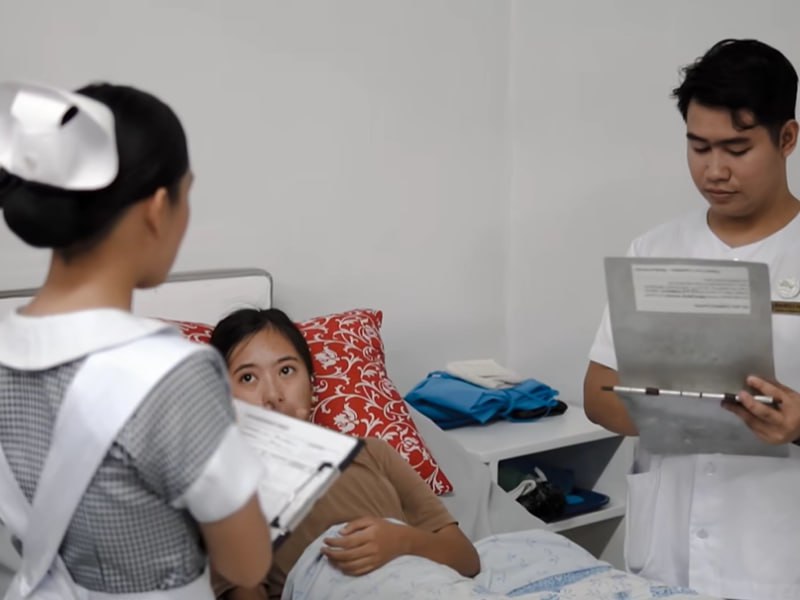
Bachelor of Science in Nursing
The Bachelor of Science in Nursing (BSN) program is designed to develop the knowledge, skills, and attitudes essential for safe, compassionate, and evidence-based nursing practice. It combines studies in health sciences, nursing theory, and clinical experience to prepare students to assess, plan, implement, and evaluate patient care. Graduates are equipped to work in diverse healthcare settings, care for individuals across the lifespan, and take on roles in leadership, education, community health, and nursing research.

Bachelor of Science in Hospitality Management
The Bachelor of Science in Hospitality Management (BSHM) program equips students with the knowledge and skills needed to excel in the dynamic fields of hospitality, tourism, and service management. The curriculum covers essential areas such as hotel and restaurant operations, front office and housekeeping management, food and beverage service, event planning, and customer service excellence. Graduates are prepared to pursue careers in hotels, resorts, cruise lines, airlines, restaurants, and other hospitality-related establishments, both locally and internationally.
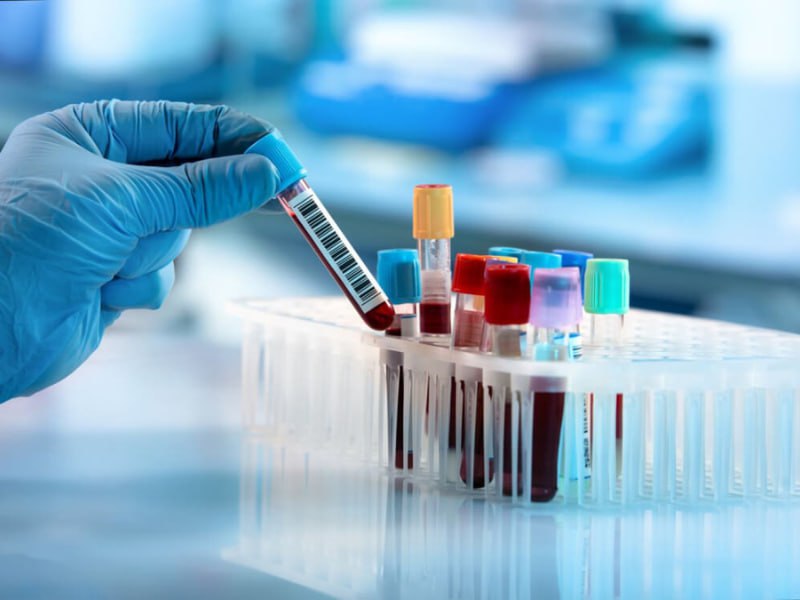
Bachelor of Science in Medical Laboratory Science
The Bachelor of Science in Medical Laboratory Science (BSMLS) program focuses on the study and application of laboratory procedures essential for the diagnosis, treatment, and prevention of diseases. Students are trained in clinical chemistry, microbiology, hematology, immunology, and other laboratory disciplines. The program equips graduates with the competencies to perform complex diagnostic tests, analyze biological samples, and ensure the accuracy of laboratory results. BSMLS graduates are prepared for careers in hospitals, diagnostic laboratories, research institutions, and public health agencies.
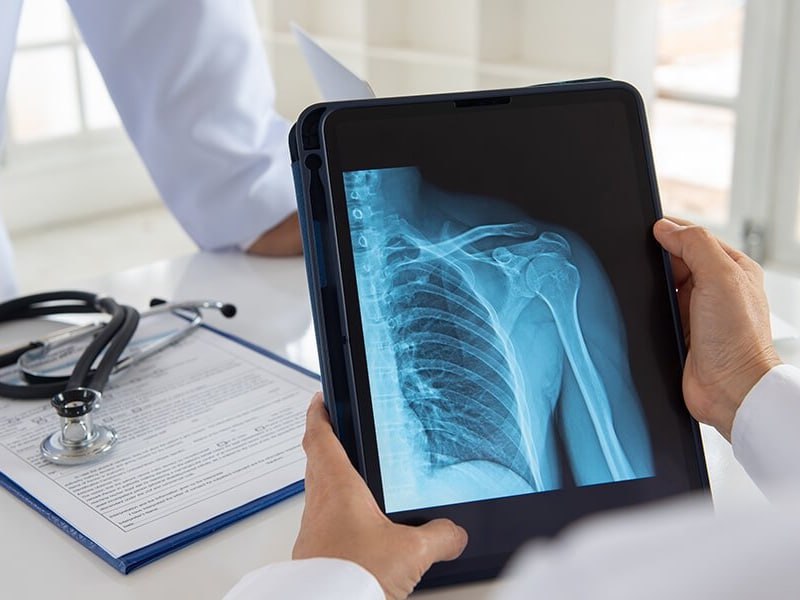
Bachelor of Science in Radiologic Technology
The Bachelor of Science in Radiologic Technology (BSRT) program focuses on the study of medical imaging and the use of radiation in the diagnosis and treatment of diseases. Students are trained in various imaging modalities such as general radiography, computed tomography (CT), magnetic resonance imaging (MRI), ultrasound, and nuclear medicine. The program emphasizes both theoretical knowledge and clinical practice to ensure competence in operating imaging equipment, ensuring patient safety, and producing high-quality diagnostic images. Graduates are prepared for careers in hospitals, diagnostic centers, and other healthcare facilities.